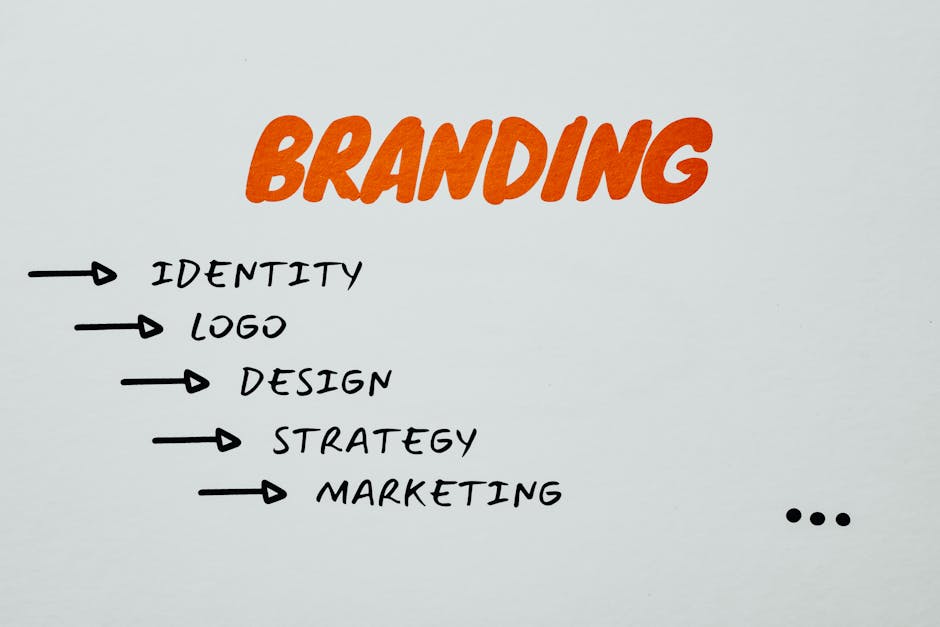
I've seen this play out countless times: made a mistake that cost them thousands.. Choosing the perfect brand name is crucial, but how do you *know* your name will stick? Particularly in crowded digital marketplaces, where attention spans flicker, testing a brand name’s memorability and recall is no longer optional—it’s essential. In this post, we’ll explore how to run memory tests on brand names with strangers, ensuring your choice not only looks good but *sticks*.
Why Test Brand Names with Strangers?
There’s a distinction between what you *think* sounds memorable and what actually Click here to find out more is. Friends, colleagues, or your internal team might have biases. Strangers—people unfamiliar with the name—are the real test audience. They provide honest feedback on how easy it is to recall and pronounce your brand name.
In crowded industries like online gaming or gambling—where companies like mrQ operate under strict regulations such as those by the UK Gambling Commission—branding clarity and memorability can be a compliance factor and a marketing advantage.
Key Themes in Brand Name Testing
Brevity Wins on Digital Screens
In a world of mobile apps and digital banners, shorter brand names perform better. They fit better in headers, app icons, and social media handles. Brevity reduces cognitive load and increases the chances of recall, especially when people only glance at your name for seconds.

Uncommon Letters as Visual Hooks
Letters like Q, X, and Z create visual uniqueness. Look at mrQ, which leverages the letter Q to stand out. These letters serve as natural attention grabbers, but use them carefully: they might make pronunciation harder if the name is too unfamiliar.
Pronunciation and Repeatability
If your brand name is hard to pronounce or confusing, it won’t be repeated or shared easily. Remember, every letter affects tone and the “feel” of your logo. A name that looks cool but sounds like a puzzle won’t spread.
Every Letter Affects Tone and Logo Feel
The typography and shape of each letter lend personality to your brand’s logo and tone. For example, rounded letters can feel friendly, while sharp letters tend to feel corporate or edgy. This should align with your brand message.
Step-By-Step Guide: Running a Brand Recall Test with Strangers
Now, let’s break down how to run a practical memory test for your brand name using simple, structured methods.
Prepare Your Name ListCompile a shortlist of brand names you want to test, ideally 3-5 to avoid overwhelming participants. Namesframe offers excellent tools to research and generate name ideas while ensuring domain and trademark availability—important early steps before testing.
Contextualize Names in Realistic SizesDisplay the names in the formats where they will appear, such as mobile headers or app icons. Trade name databases rarely hint at name readability at small sizes, so test names visually. This helps identify if a name is legible and looks good without extra embellishment.
Recruit Participants—Strangers, Not Your Team
Use platforms like social media, freelance testing communities, or services such as mrQ, which specializes in brand recall tests efficiently with diverse audiences. Avoid relying only on your inner circle to prevent skewed results.
Introduce the Names BrieflyPresent the brand names one at a time. Show them for a brief, consistent duration (e.g., 5-7 seconds each), emulating a glance on a mobile screen. This mimics real-life exposure, such as seeing a banner, app store icon, or ad.
Engage Participants with a DistractionTo truly test recall, introduce a short distraction task after viewing the names, such as a simple number puzzle. This clears immediate memory so you can measure which names actually “stick.”
Prompt for Recall and PronunciationAsk participants to write down or say back any names they remember. Additionally, have them pronounce each recalled name aloud, assessing ease of speaking and possible confusion.
Gather Qualitative FeedbackRequest quick impressions: Which names felt intuitive? Which caused hesitation? Were any names visually confusing or difficult to pronounce?
Analyze ResultsLook for names with the highest recall rates, simplest pronunciation, and positive tone associations (including ease of logo use). Names with uncommon letters like Q or X can perform well visually but need to be assessed for pronunciation pitfalls.
Useful Tools to Enhance Brand Name Testing
Tool Purpose Example Namesframe Generating and shortlisting potential brand names with domain and trademark considerations namesframe.com mrQ Brand Testing Fast, easy-to-use platform for conducting brand recall tests with diverse strangers online mrq.com Trade Mark Trademark Database Searches Ensuring your shortlisted names don’t infringe on existing trademarks, especially critical in regulated markets like gambling UK IPO & other jurisdiction databasesBrand Recall Test Metrics to Monitor
- Recall Rate: Percentage of participants who remember the name post-distraction Pronunciation Accuracy: How well participants can say the name Repeatability: Likelihood participants would share or recommend the name Visual Appeal: Subjective feedback on how the name appears in its tested format
Common Pitfalls in Name Testing
- Assuming Domain Availability = Legal Safety: Just because a .com domain is free doesn’t mean the name is trademark-safe. Always conduct trademark searches before running tests. Removing Vowels: Names like “mrQ” stand out because they cleverly use uncommon letters, but easy readability is key—random vowel removal can make names puzzling and unrepeatable. Changing Capitalization Styles Frequently: Don’t switch between lowercase and TitleCase weekly during testing, as it confuses participants and affects recall. Using Internal Jargon or Letter Acronyms Without Confirmation: Don’t assume letters have inherent meaning unless confirmed—it can confuse outsiders.
Conclusion: Testing Brand Names Is Non-Negotiable
Testing a brand name’s memorability and recall with strangers, using realistic contexts and distraction tasks, is vital in today’s fast-paced digital world. Brevity, visual hooks through uncommon letters, pronunciation clarity, and tone should be tested holistically. Leveraging platforms like mrQ and idea generators like Namesframe, combined with trademark due diligence, will give you confidence in your final choice.
Running a thorough brand recall test ensures you don’t just fall in love with a cool-sounding name but choose one that users will love to remember and repeat.